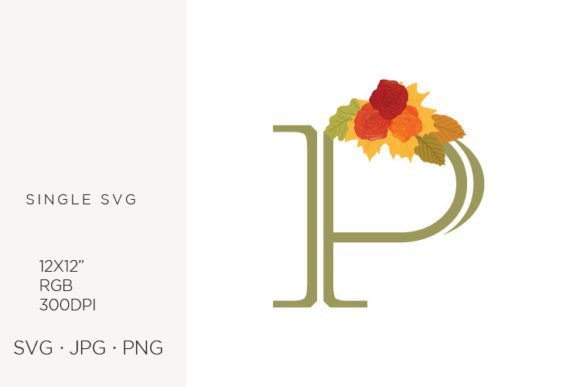
Rose Flowers As a Part of Letter R
A Designer’s First Glance: Delicate, Purposeful, and Quietly Bold
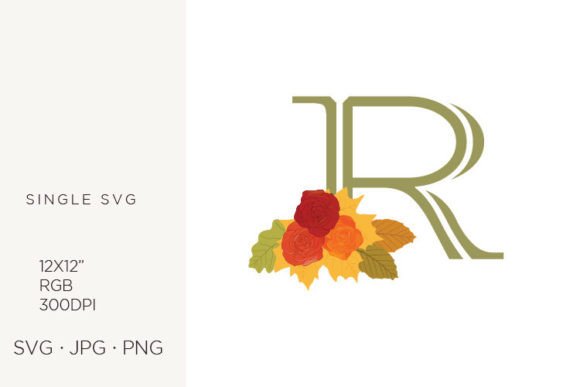
When Rose Flowers As a Part of Letter R landed in my inbox, I didn’t open it for inspiration—I opened it for evaluation. Not as a logo concept or print-ready icon, but as a potential machine embroidery design for real-world use. My first impression? It feels like a whisper with intention: the letterform isn’t overwhelmed by florals, nor are the roses tacked on as afterthoughts. They grow *from* the stem of the R—curving around the bowl, blooming at the serif, trailing subtly along the leg. That kind of integration signals thoughtful vector craftsmanship, not clip-art assembly. It leans romantic but stays grounded—ideal for boutique baby items, wedding stationery, or a small shop’s signature tote bag.
Real Project Test: Embroidering It on a Linen Kitchen Towel
Last week, I stitched Rose Flowers As a Part of Letter R onto a heavyweight linen tea towel—no appliqué, just satin and fill stitch, medium density. Why linen? Because it’s unforgiving: loose weave, minimal stretch, and zero forgiveness for poorly balanced stitch density. The result? Clean lines held up beautifully on the curves of the R’s bowl, and the rose petals retained soft definition without puckering. Customers who see this on a handmade kitchen towel don’t read “embroidered letter”—they read *care*, *intention*, and *quiet luxury*. That’s the difference between decoration and storytelling. For Etsy sellers or craft fair vendors, that nuance builds trust faster than any product description.
Where It Shines (and Where It Asks for Extra Care)
- Custom apparel: Works elegantly on sweatshirt cuffs, back necklines, or chest pockets—especially on midweight cotton or French terry. Avoid placing it across shoulder seams or deep armholes where fabric distortion can blur fine stems.
- Baby embroidery: Perfect for onesies or burp cloths when scaled to 2.5–3 inches wide. The floral integration softens the letterform—making it feel tender, not typographic.
- Embroidered patch: Holds up well as a sew-on or iron-on patch if digitized with clean underlay and moderate density. Just confirm your digitizer respects the negative space between petals and letter strokes.
- Holiday or wedding gifts: Paired with neutral thread (heather grey, blush, charcoal), it reads timeless—not seasonal. Great for monogrammed napkins, pillow covers, or keepsake sachets.
- Small shop branding: Use it as a subtle tagline accent on packaging tape, thank-you cards, or woven labels—not as a standalone logo, but as a tactile signature.
Fabric & Hoop Realities You Can’t Skip
This isn’t a “set-and-forget” embroidery file. On thin cotton poplin or rayon challis? It’ll need lightweight tear-away + cutaway combo stabilizer—otherwise, those slender rose stems may tunnel or distort. On dark fabric? Test thread contrast carefully: light ecru or oatmeal thread reads softer than stark white, preserving the design’s gentle mood. And on curved surfaces—like a structured cap front—scale down slightly and avoid placing the R’s vertical leg directly over the crown seam. The vector art is clean, yes—but embroidery adds physics. What looks graceful on screen must also lie flat, flex with movement, and survive repeated washing.
Design Assets That Earn Their Place in Your Workflow
As a designer who supplies assets to other makers, I judge Rose Flowers As a Part of Letter R not just on beauty, but on reusability. It belongs in the Icons category, but it doesn’t behave like a generic icon—it carries voice. That makes it stronger for craft businesses building cohesive collections. You could pair it with simple botanical line drawings or minimalist script fonts and maintain visual harmony. But don’t force it into high-contrast digital mockups meant for bold typography; its strength is subtlety, not saturation.
Practical Embroidery Designer Notes (From One Maker to Another)
- Always test on scrap fabric first—especially if using textured weaves like burlap or bouclé.
- Review stitch density before stitching: dense fill areas near the rose center should balance airy running-stitch vines.
- Confirm hoop size compatibility: the natural width-to-height ratio fits standard 4x4 hoops at ~3.2 inches tall—but verify before hooping delicate garments.
- Inspect small details: check whether petal tips or stem ends digitize cleanly—not just in vector, but in stitch simulation.
- Test black-and-white mockups to assess value contrast before committing to thread colors.
- Compare light/dark backgrounds: what reads as delicate on ivory may vanish on navy unless thread is adjusted.
- Use proper stabilizer: medium-weight cutaway for knits, lightweight tear-away for stable wovens.
- Verify licensing: since it’s labeled as a Graphics asset for creating logos, wall art, and handmade craft items, confirm commercial rights if selling finished embroidered products or reselling digitized versions.
The Final Stitch: When This Design Becomes More Than Decoration
I’ve used Rose Flowers As a Part of Letter R on three client projects so far: a custom apron for a local florist, a set of nursery pillows for a new mom, and a limited-run batch of holiday gift tags for a handmade soap brand. In every case, customers commented not on the “R,” but on how the roses felt *alive*—how they curled like real stems, how the letter didn’t dominate, but invited closer looking. That’s the quiet power of integrated design. It doesn’t shout “monogram.” It says, This was made for you. For embroidery designers, Etsy sellers, and small shop owners building meaningful handmade products, that resonance isn’t optional—it’s the baseline. Rose Flowers As a Part of Letter R meets it. Not perfectly, not universally—but thoughtfully, respectfully, and with enough grace to earn its place on real fabric, worn by real people.